
Moving Tips & Insights

Week-Before-Moving Checklist: Day-by-Day Guide
A day-by-day checklist for the final week before you move, covering what to pack when, how to build a first-night box, and what to prepare before your crew arrives.

The week before a move is when most of the real work happens, and it's also when the most things slip through the cracks. A week-before-moving checklist gives you a day-by-day sequence so nothing gets pushed into the last 24 hours, when you have the least time and patience to deal with it. Here's how to break the final seven days into manageable pieces, plus what still needs to happen on moving day itself.
Why Spread the Work Across a Full Week?
Spreading tasks across seven days keeps any single day from becoming overwhelming, and it builds in slack for the things that always take longer than expected. As a rough rule of thumb, allow about a day to fully pack and clear out one average room, so a modest home needs most of a week even before you account for errands, cleaning, and paperwork.
Trying to compress all of that into a weekend usually means late nights, rushed packing, and items left behind or packed so loosely they get damaged in transit. A day-by-day plan also makes it easier to tell a moving crew what's ready and what isn't, since you'll know exactly which rooms are finished on any given day. If you're still weighing whether to handle the move yourself or bring in help for part of it, it's worth reading about the factors that usually make that decision for you.
Day-by-Day Checklist: Seven Days Out
Each day in the week before a move has a focus, and knocking out that focus on schedule keeps the rest of the list from piling up. Use this as a framework and adjust the order to fit your own household.
- 7 days out: Confirm your moving date and crew, finish packing any room you don't use daily (guest room, home office, storage closets), and start using up perishable food.
- 6 days out: Pack books, decor, and off-season clothing. These items aren't needed day to day, so getting them boxed early frees up time later.
- 5 days out: Submit your change of address. The USPS change of address and mail forwarding system lets you do this online, and starting it now means mail forwarding is active by the time you move.
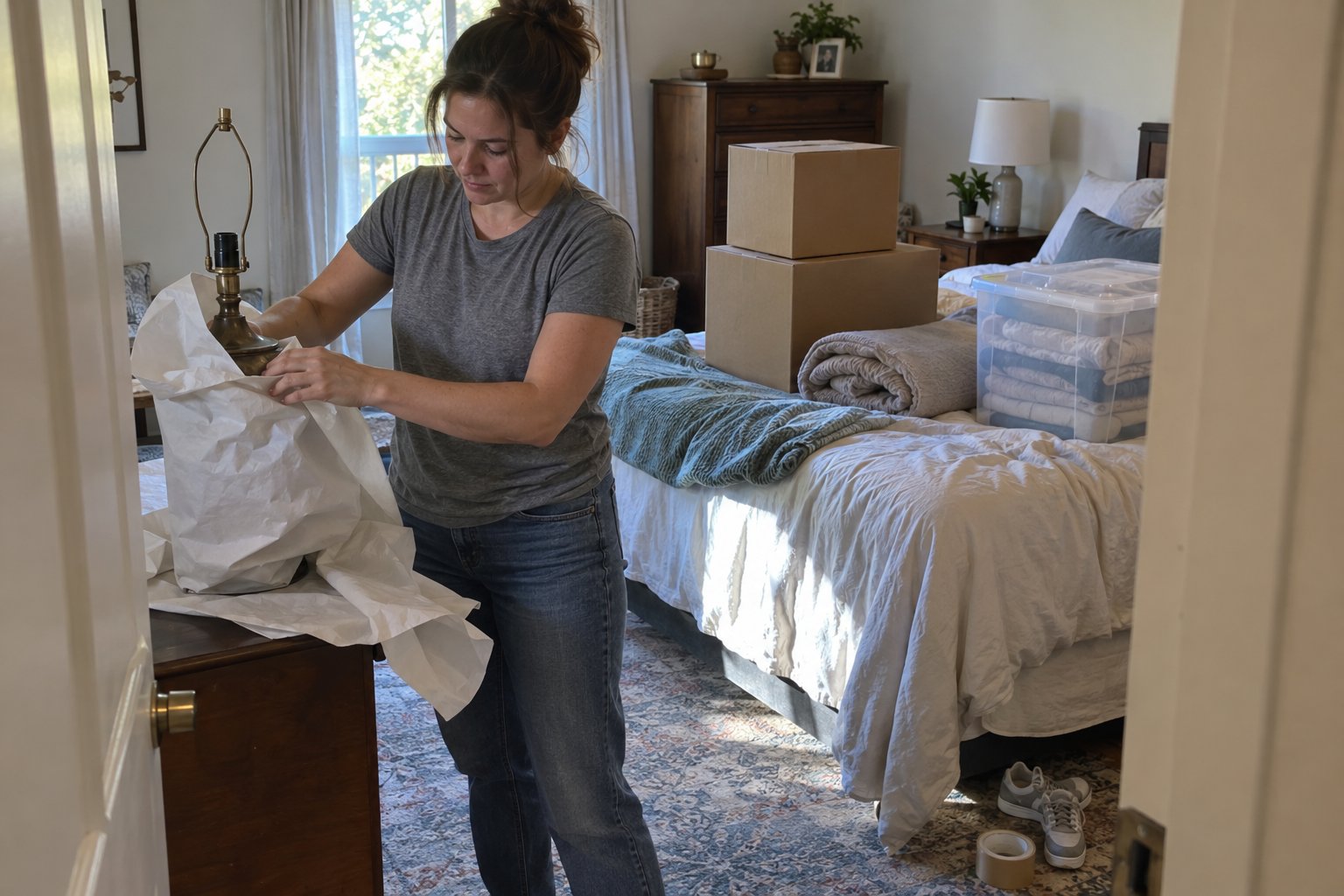
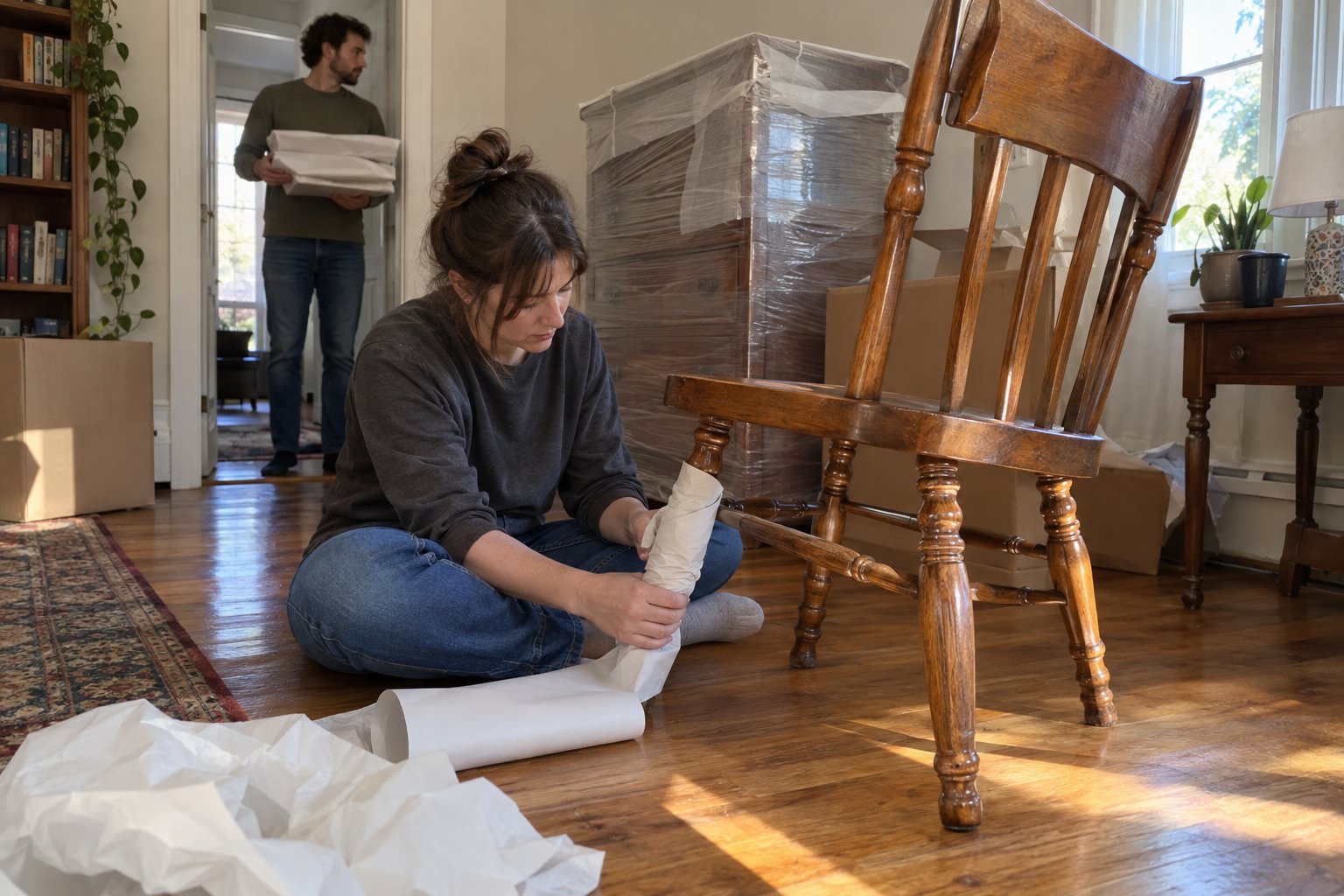
- 4 days out: Pack the kitchen except for a few days' worth of dishes and cookware. Wrap anything fragile individually rather than stacking it loose.
- 3 days out: Handle utilities: schedule disconnection at your old address and connection at the new one for the correct dates, and confirm any deposits or final readings your providers require.
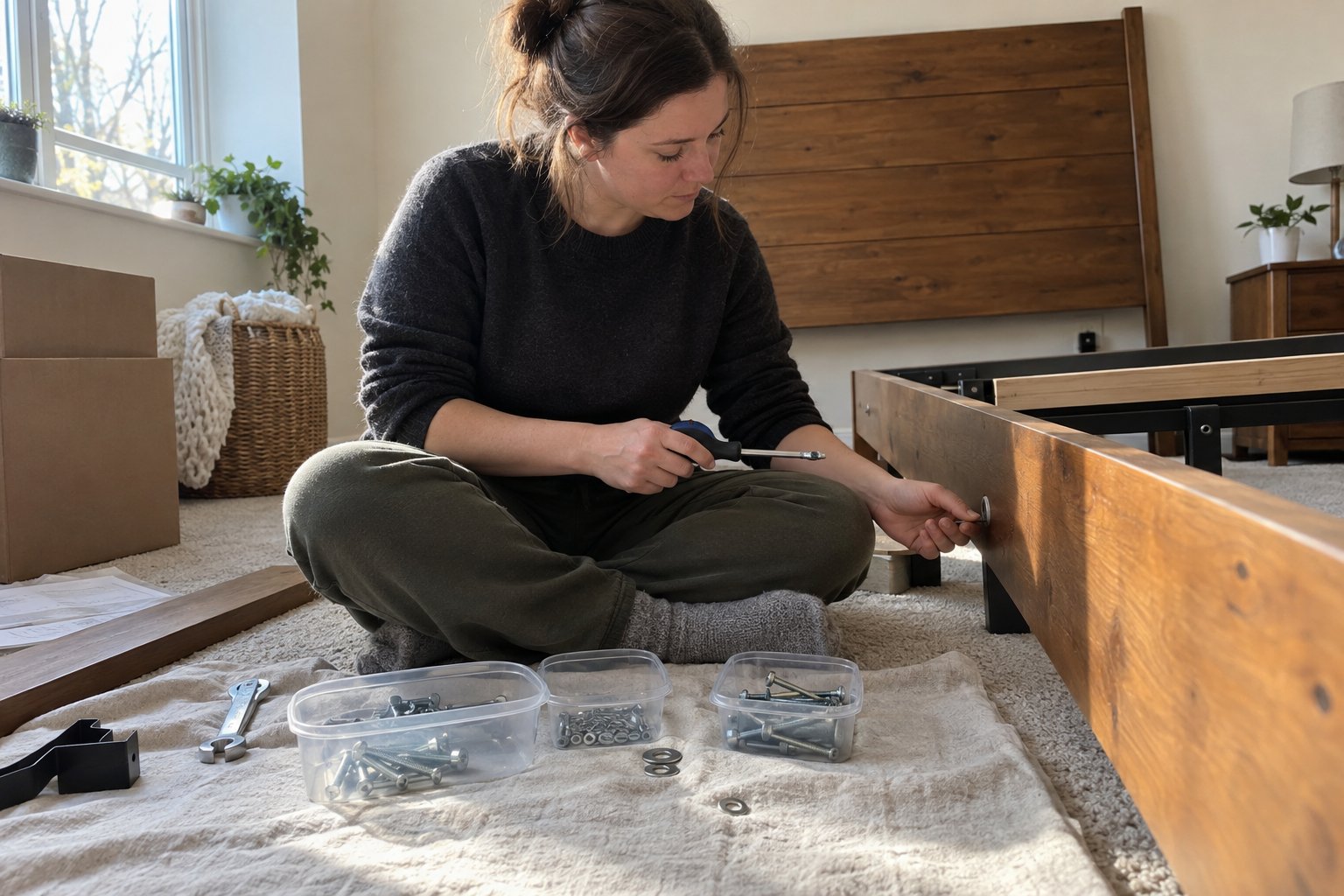
- 2 days out: Pack everything except essentials, disassemble furniture that needs to come apart to move safely, and set aside anything you're keeping with you rather than loading on the truck.
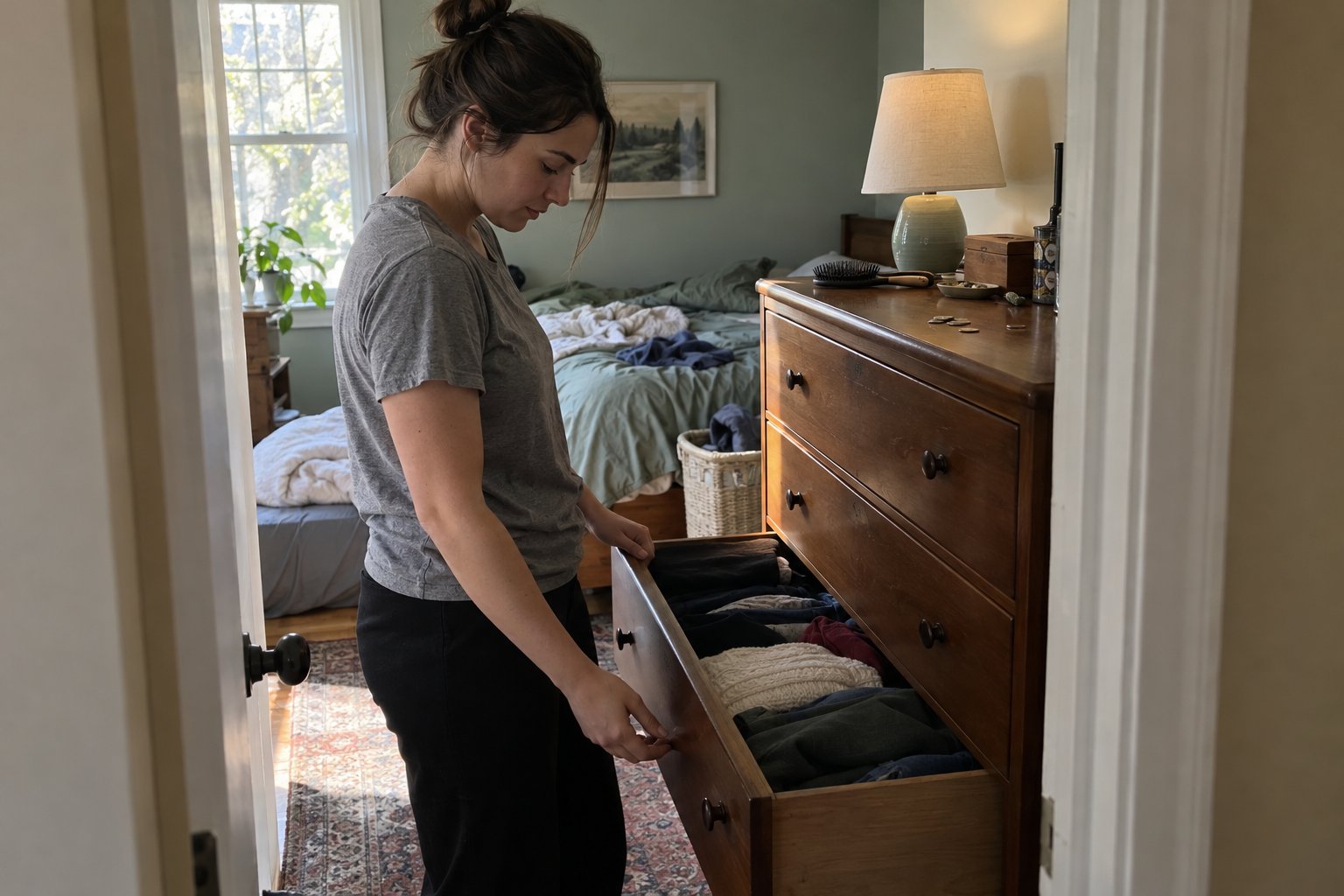
- 1 day out: Do a final walkthrough of closets, cabinets, and drawers, charge phones and any tools you'll need, and pack a first-night box.
What Goes in a First-Night Box?
A first-night box holds everything you'll need before you've had a chance to unpack, so you're not digging through sealed boxes at 9pm looking for a phone charger. Pack one per household and keep it with you instead of loading it onto the truck.
- Toiletries, medications, and a change of clothes for each person
- Phone chargers and any medical devices that need power
- Basic tools: a screwdriver, box cutter, and flashlight
- Paper plates, cups, and utensils for the first meal or two
- Toilet paper, paper towels, and a trash bag
- Pet food and bowls, if you have pets
What Should You Do on Moving Day Itself?
Moving day goes smoother when the only thing left to do is direct traffic, not finish packing. Everything that can be decided or prepped ahead of time should be, so the day itself is about execution.
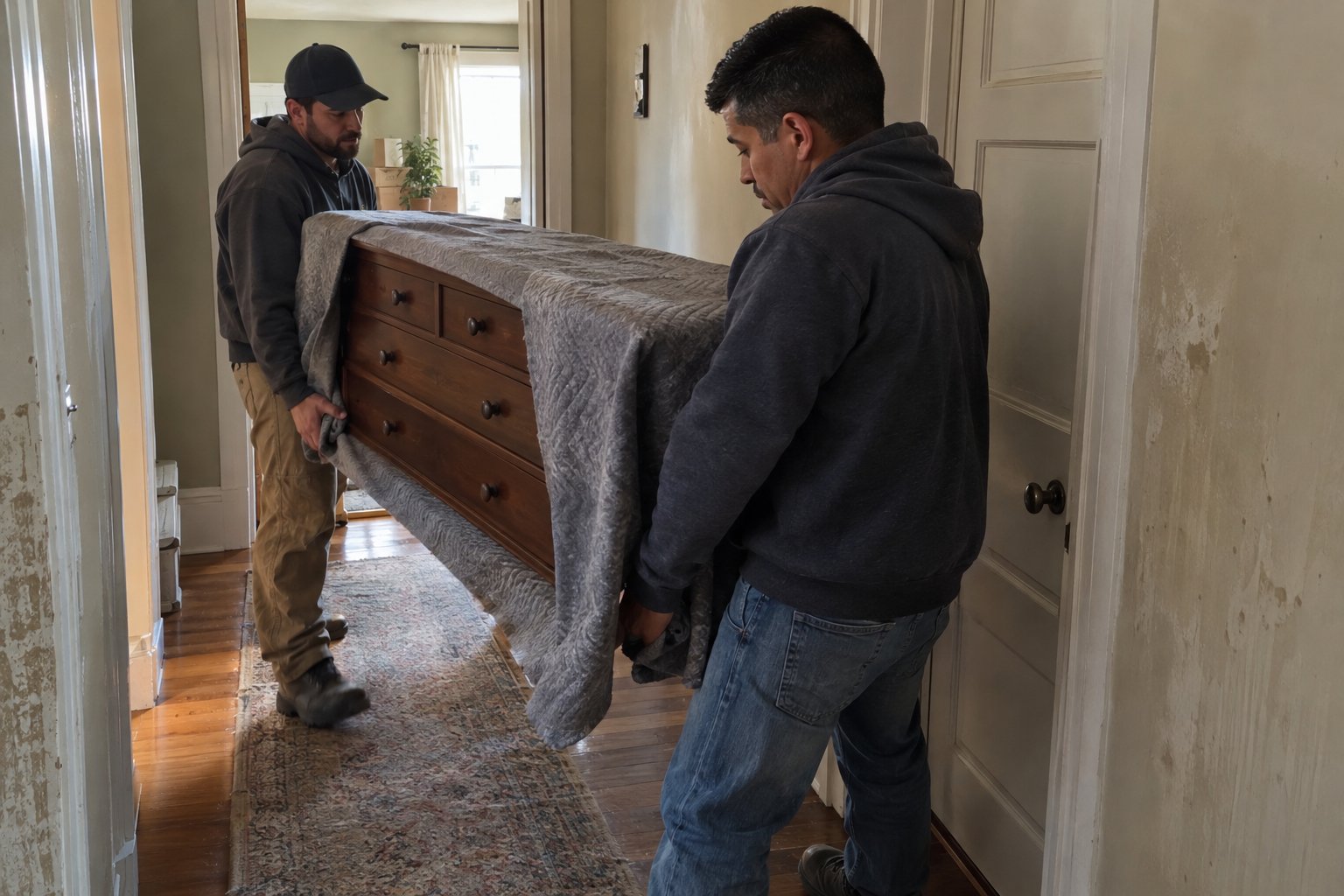
Before a crew arrives, do a final check that pathways, driveways, and doorways are clear so furniture and boxes can move without obstacles. Point out anything fragile, anything with special handling needs, and anything that needs to be taken apart or put back together, so the crew knows about your home's layout before they start. Keep your first-night box, important documents, and valuables with you rather than on the truck. Once loading is finished, do one more walkthrough of every room, including closets and cabinets, before you leave the old place for good.
What to Prepare Before Movers Arrive
Preparing for a crew mostly means clearing the way and communicating, not doing their job for them. A little setup on your end makes the work faster and reduces the chance of anything getting damaged.
Protect floors in high-traffic areas if you're concerned about scuffs, and move small, high-value items like jewelry or important documents somewhere they won't get boxed by accident. If any furniture needs to be taken apart or put back together at the new place, mention it when you confirm your appointment so the crew can plan for it, whether that's loading and unloading a truck or a portable container. Having a clear idea of where large furniture should go in the new home also speeds things up, since the crew won't need to ask room by room.
Still Deciding Whether to Hire Help?
Not every move needs a full crew, and not every move should go entirely DIY either. If you're still sorting out which parts of this move you want to handle yourself versus hand off, it helps to think through how the reason behind your move affects that decision before you build your week-before checklist around one approach or the other.
Once you know your moving date and which parts of the job you're hiring out, check the areas this business serves to confirm coverage, and get specifics on scheduling and crew size when you request a quote.
Planning your move? Request a quote from Journeymen Oklahoma.
Frequently Asked Questions
How far in advance should I start packing before a move?
Most households do best starting a full week out, packing rooms they use the least first and saving daily essentials for last. If you have a larger home or a lot of belongings, starting earlier gives you more breathing room.
What should I tell a moving crew before they start loading?
Let them know about any furniture that needs to be taken apart, anything fragile or unusually heavy, and any tricky spots in your home like narrow stairways or tight doorways. The more they know ahead of time, the smoother loading goes.
Do I need to empty furniture like dressers before moving day?
It depends on the piece and the distance involved, so it's worth asking your crew directly when you book. As a general rule, lighter and more secure drawers travel better than full, heavy ones.
What should go in a first-night box instead of on the truck?
Keep toiletries, a change of clothes, chargers, basic tools, and any medications with you rather than packing them on the truck. That way you're not opening boxes the same night you arrive just to find a toothbrush.
How do I know if my home needs extra time for furniture disassembly?
Beds, large tables, and some bookshelves often need to come apart to move safely through doorways or stairwells. Mention these pieces when you schedule your move so the crew can plan enough time for them.
Related Blogs
What Our Customers Say
Read genuine feedback from our satisfied customers to understand why we are the trusted choice for moving services.
Proudly Serving These Areas

Moving Oklahoma City Families and Military Members With Care
From local Oklahoma City moves to long-distance relocations, Journeymen Moving helps families and military members move with confidence. From the first box to the final unload, our team is here to make your move easier every step of the way.