Moving Tips & Insights

Moving Yourself vs. Hiring Loading Help | Compare
Trying to decide between loading the truck yourself or bringing in help just for the heavy lifting? Here's how the two options compare on time, physical risk, and the safety of your belongings.
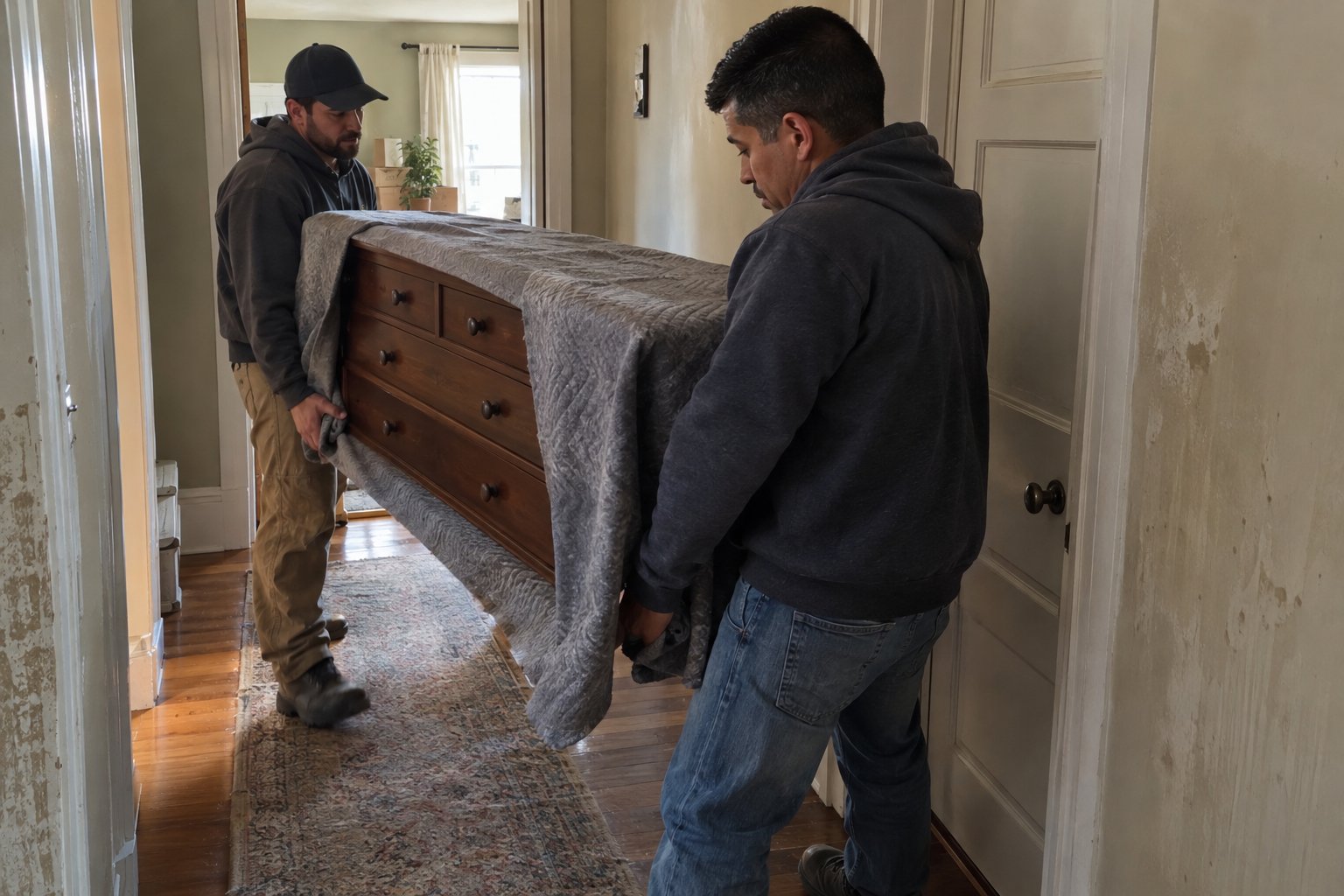
Hiring help to load and unload a moving truck means you still drive the truck, pack your own boxes, and plan your own route, but you bring in extra hands for the heaviest, most injury-prone part of the day. It's a middle option between doing the entire move alone and handing off the whole job, and it's worth comparing honestly against going it alone before you commit either way.
What Does "Loading Help Only" Actually Include?
Loading help, sometimes called labor-only help, covers carrying furniture and boxes out of your home, protecting items and doorways along the way, and placing everything securely in a truck or portable container you've already rented. The same crew can usually do the reverse at your new place: unloading and carrying items in, room by room. You handle the packing, the driving, and the planning; the crew handles the lifting. A full look at what's included in loading, unloading, and furniture protection services can help you see where labor-only help fits against a more complete moving service.
This is different from a full-service move, where a company also packs your belongings and drives the truck. If all you need is muscle for the heaviest hours of the day, loading help is a narrower, more specific ask.
Moving Yourself vs. Hiring Loading Help: Time
Hiring a crew for loading and unloading typically cuts those two phases down to a few hours each, where doing it entirely yourself can stretch across most of a day, especially with stairs or a lot of furniture. The time difference isn't in the driving or the packing, since you're doing those either way. It's concentrated in the parts of the move that involve carrying heavy objects over and over.
If you've ever moved alone and watched the afternoon disappear into one couch and a mattress, that's the gap this option is built to close. A crew working together moves faster simply because they're not stopping to rest between every piece.
Where the Time Savings Disappear
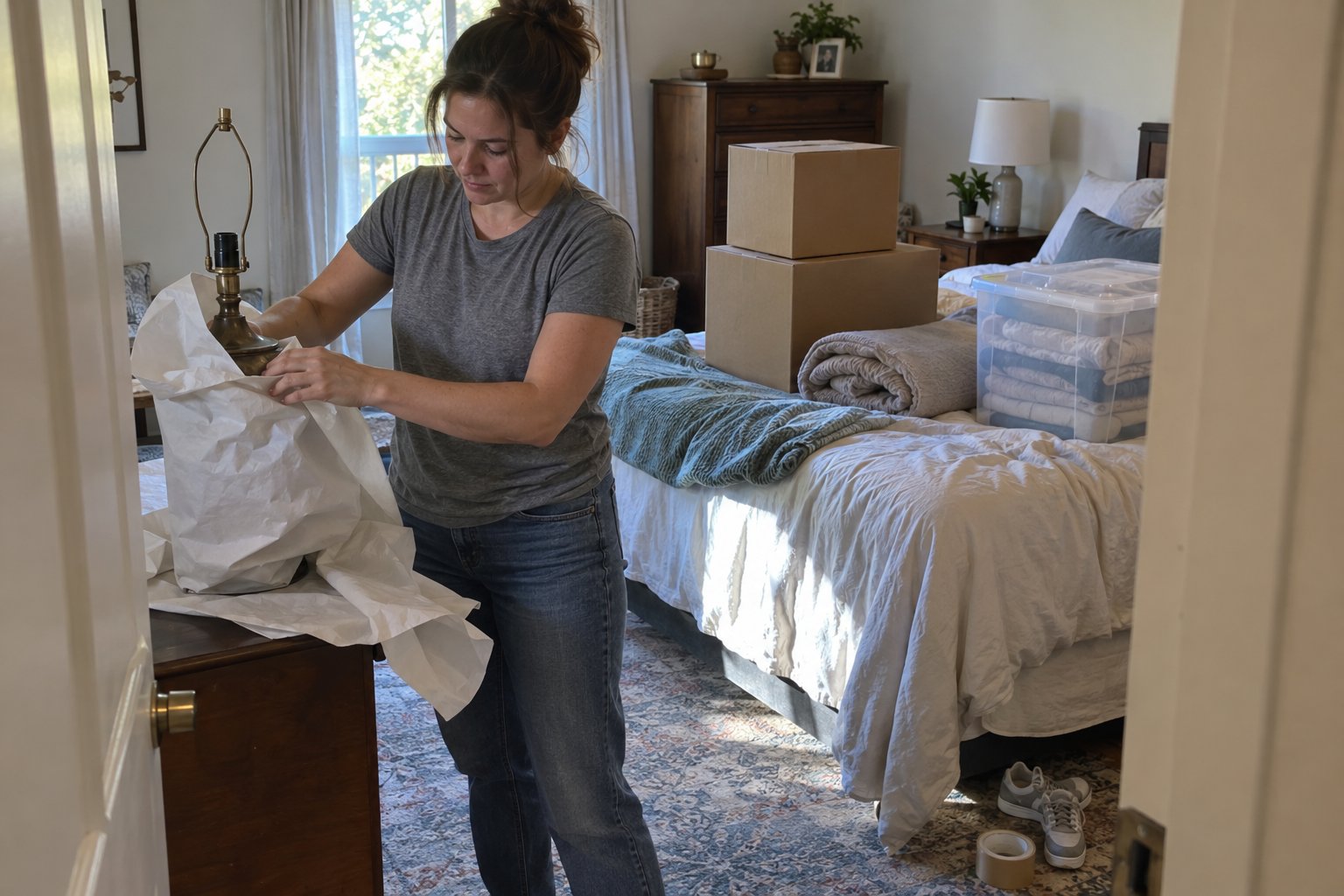
If your home isn't packed and ready when the crew arrives, you lose most of the time advantage waiting on boxes to get taped shut. Loading help assumes your belongings are already boxed and your furniture is ready to carry, not that packing happens alongside it.
Moving Yourself vs. Hiring Loading Help: Effort and Physical Risk
Doing your own loading means your body absorbs every trip up a ramp, every awkward turn around a doorway, and every hour of repetitive lifting, which is where most moving injuries happen. Hiring help to load and unload shifts that physical load to people who do it regularly and know how to carry heavy, bulky pieces without straining a back or losing their grip on a staircase.
This isn't just about comfort. Strains, pulled muscles, and dropped furniture are the most common ways a DIY move goes wrong, and they tend to happen late in the day when everyone's tired and still has a truck half full. OSHA's guidance on ergonomics and safe lifting points to fatigue and poor lifting technique as recurring factors in moving-related injuries, which is exactly the window where an extra set of trained hands matters most.
As a rule of thumb, plan for roughly one hour of loading time per room of furniture when doing it yourself, more if there are stairs involved. That's the point in the day where most people start making the kind of mistakes that lead to a dropped dresser or a strained shoulder.
Who Does Each Option Actually Suit?
Loading your own truck works reasonably well if you have a small apartment, a short list of furniture, able-bodied help lined up, and no stairs to navigate. It also suits anyone who wants full control over how the truck gets packed and isn't worried about the physical toll.
Hiring help to load and unload suits almost everyone else: households with a full home of furniture, anyone moving from or into a place with stairs, people moving solo without family or friends nearby to help, and anyone who has a bad back, a recent injury, or simply doesn't want to risk one. It also suits people using a portable container or a rental truck they're driving themselves, since the crew works around whatever vehicle you've already arranged. If you're comparing locations for your move, the areas this crew serves is worth checking before you book either way.
What's the Risk to Your Belongings in Each Case?
An unevenly loaded truck is one of the more common causes of damage during a move, since items can shift, tip, or get crushed if weight isn't distributed and secured properly. Doing it yourself means you're learning that skill in real time, often on the one day it matters most. A crew that loads trucks regularly already knows how to stack and brace a load so it survives the drive.
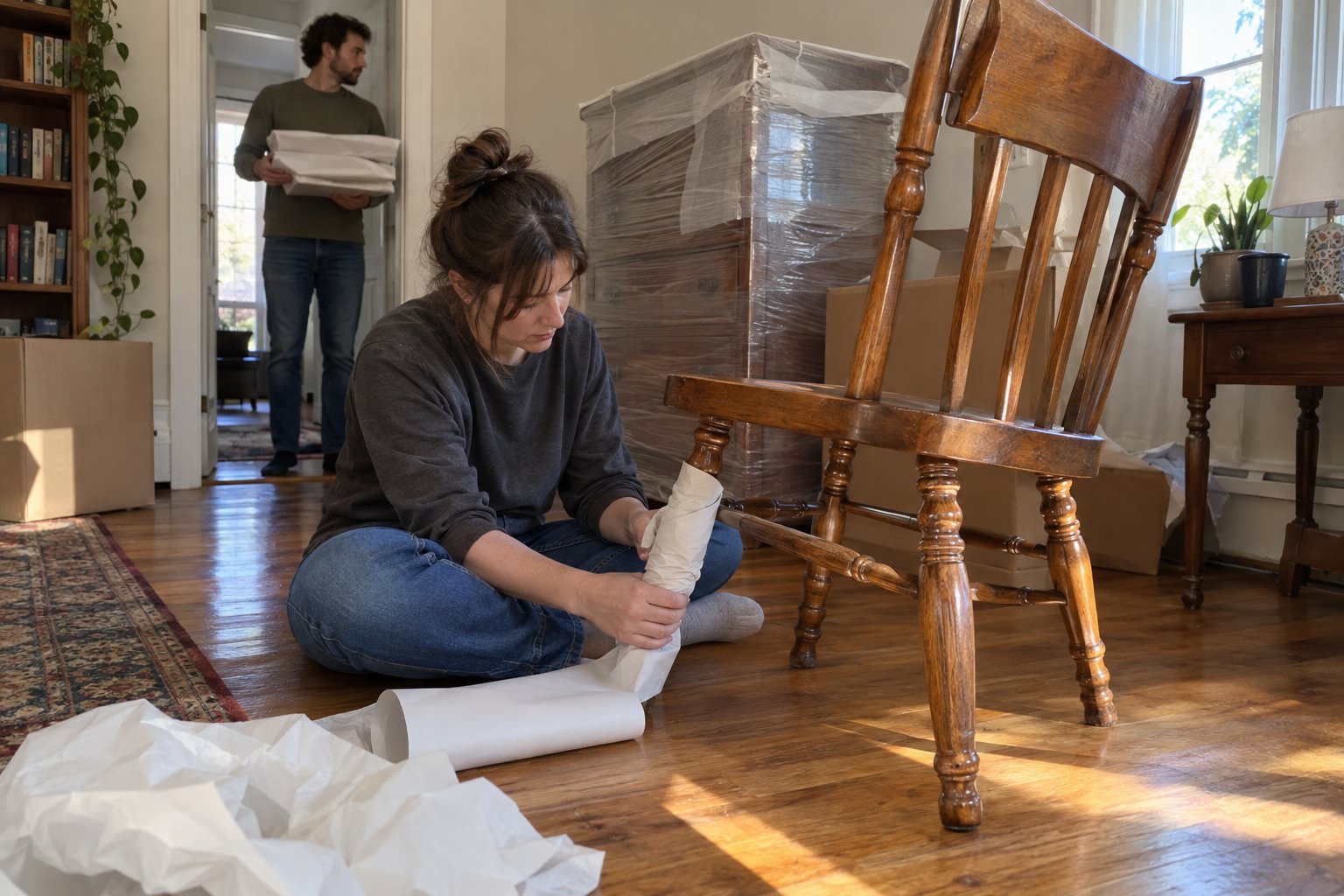
That risk isn't limited to the truck itself. Carrying furniture through doorways and down stairs without the right technique is also how walls get dinged and furniture gets scratched, which is part of why protecting furniture and the home on moving day, with pads, wrapping, and floor protection, is typically part of what a loading crew handles alongside the actual carrying.
Our Recommendation for the Most Common Case
For a typical household move, one with more than a studio apartment's worth of furniture, hiring help to load and unload is the better fit on time, effort, and risk, even if you're still driving the truck yourself. The few hours you spend coordinating a crew are generally worth it against the physical toll and the odds of damage from an inexperienced load.
The exception is a genuinely small move: a handful of boxes and light furniture, no stairs, and willing help already on hand. In that narrow case, doing it yourself is a reasonable call. Everywhere in between, loading help is worth strong consideration before you commit to doing the heavy lifting solo.
How Do You Decide Which Pieces Need Professional Hands?
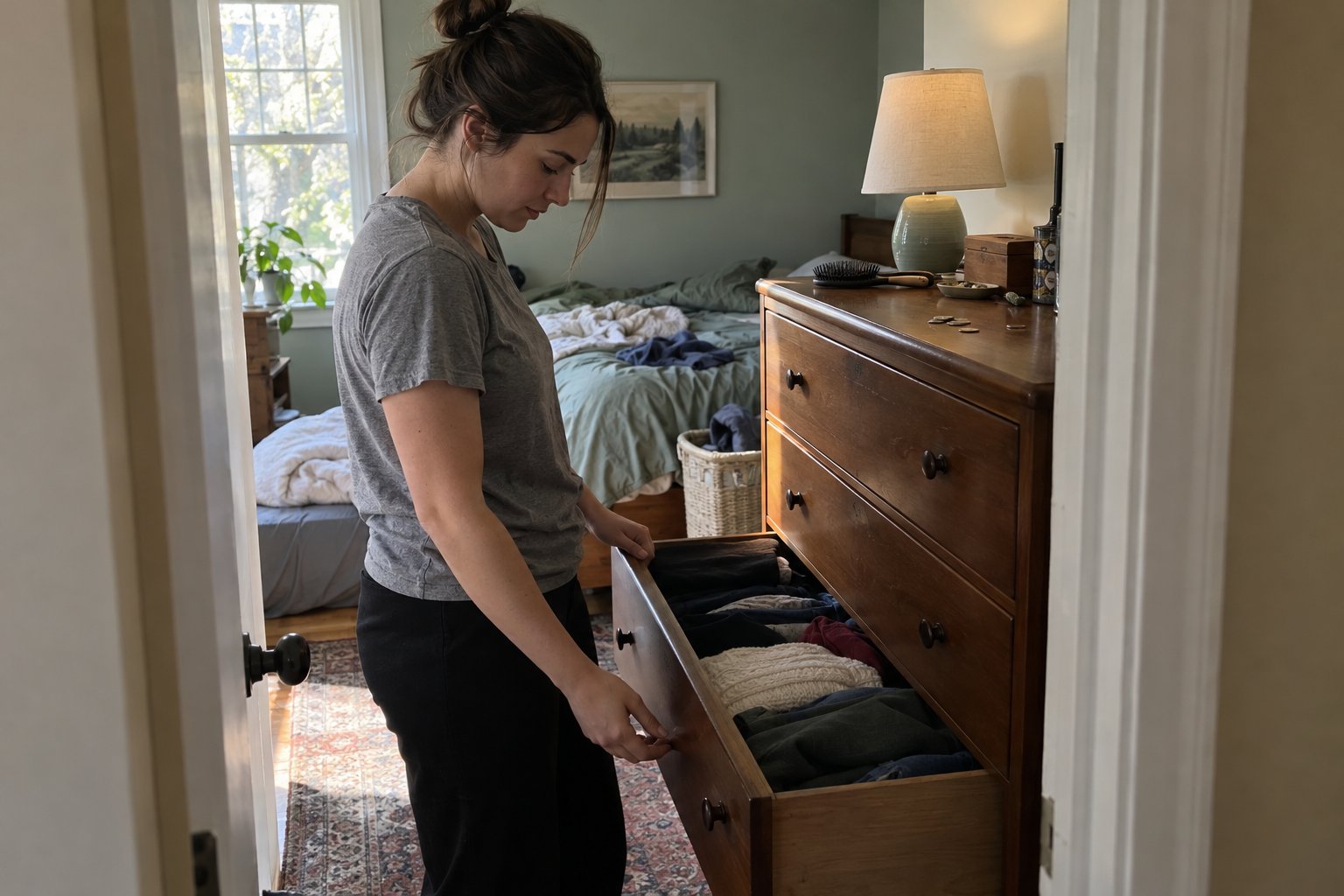
Start by identifying anything heavy, awkward, or likely to catch on a doorway: dressers, sofas, mattresses, and anything that needs to go down a staircase. Those are the items most likely to cause an injury or damage if handled without the right technique, and they're the clearest case for bringing in help even if you're comfortable moving the rest yourself.
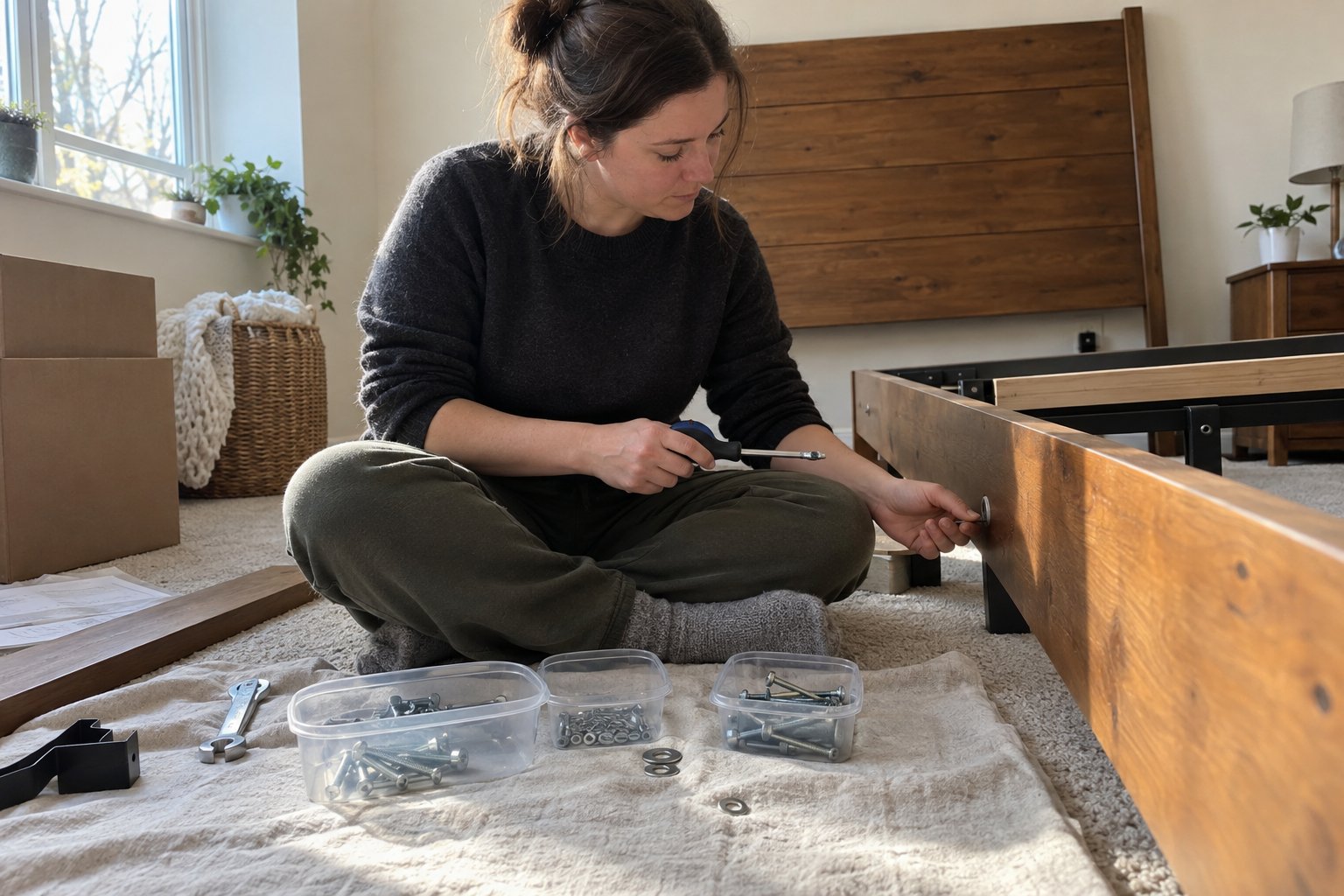
Lighter boxes and smaller furniture are usually fine to move on your own if you have the time and the people. Many households land on a hybrid approach: friends and family handle the boxes over a few days, and a crew comes in on moving day just for the big pieces. If several of your larger items still need to be taken apart first, reviewing how to take apart furniture before a move without losing hardware ahead of time keeps that part from slowing the crew down once they arrive.
Whichever way you lean, confirm what's included with the crew ahead of time, whether that's a few hours of loading help or support unloading at the other end too. You can see more on how this fits into the broader decision between doing a move entirely yourself or bringing in help for any part of the move for your specific reason for moving.
Planning your move? Request a quote from Journeymen Oklahoma.
Frequently Asked Questions
How much notice do I need to book a crew for loading and unloading only?
Booking a week or two ahead is usually enough, though popular weekends in summer can fill up faster. If your move date is flexible, booking earlier gives you more options for timing.
Do I need to have everything boxed before the crew arrives?
Yes. Loading help is built around carrying and placing items that are already packed and ready to go, not packing them on the spot. Having boxes taped and furniture cleared out ahead of time keeps the crew working efficiently.
Can a loading crew work with a rental truck or a portable container I've already reserved?
Generally yes. The crew works around whatever vehicle or container you've arranged, so it helps to confirm the size and have it on-site and accessible before they arrive.
What should I tell the crew about stairs or tight doorways before moving day?
Mention any stairs, narrow hallways, or tricky turns when you book, and point them out again when the crew arrives. That lets them plan the safest path and bring the right equipment for awkward spots.
Is it better to hire help for loading, unloading, or both?
That depends on which part of the move is hardest for you to handle alone. Some people only need help at the loading end, others only at unloading, and many choose both since the same physical risks apply on either end of the drive.
Related Blogs

What Our Customers Say
Read genuine feedback from our satisfied customers to understand why we are the trusted choice for moving services.
Proudly Serving These Areas

Moving Oklahoma City Families and Military Members With Care
From local Oklahoma City moves to long-distance relocations, Journeymen Moving helps families and military members move with confidence. From the first box to the final unload, our team is here to make your move easier every step of the way.