
Moving Tips & Insights

Moving Day Checklist: What to Prep Before Movers Arrive
A practical moving day checklist covering what to prep before the crew arrives, what to confirm with them, and how the day itself typically unfolds from arrival to final setup.
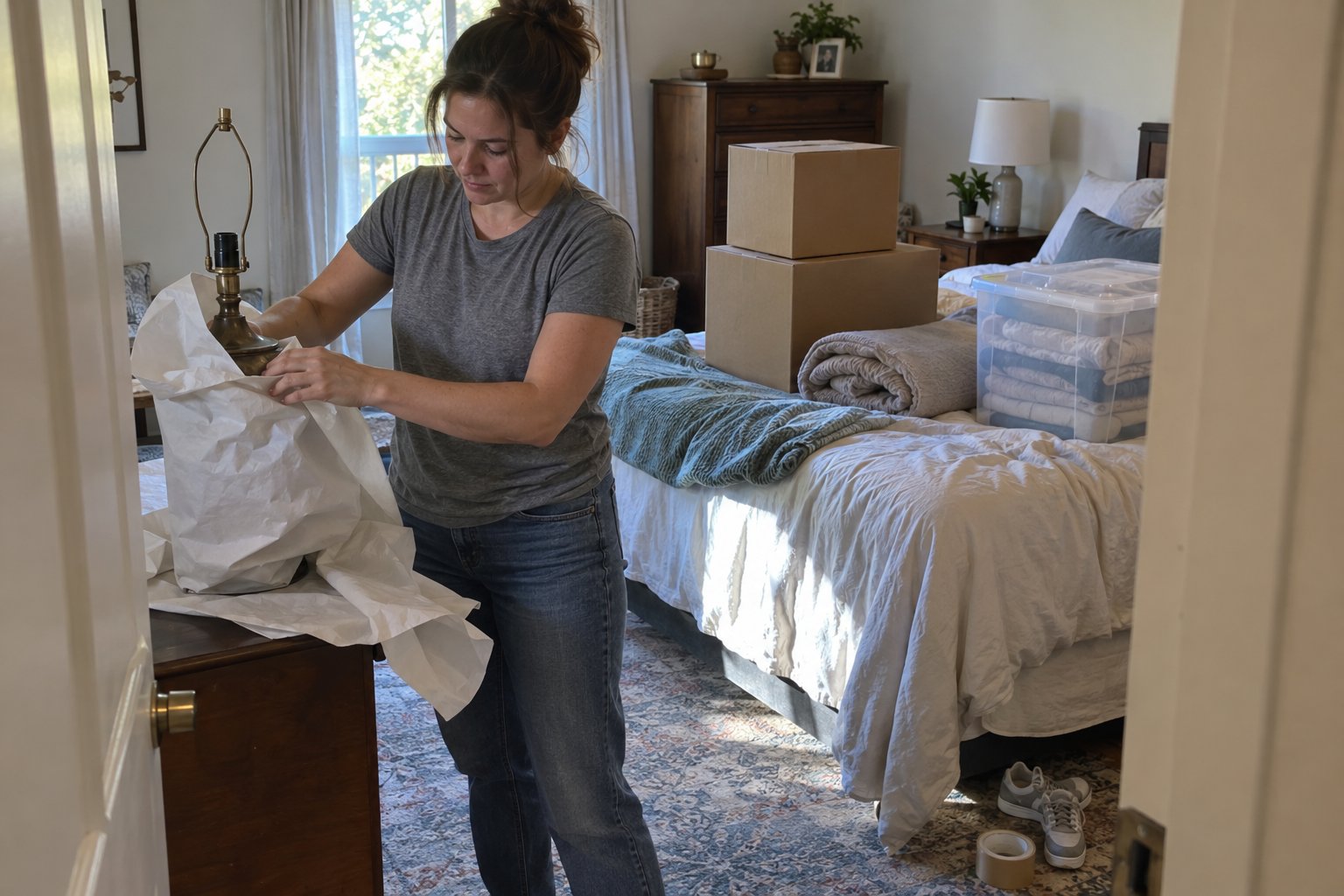
A moving day checklist should cover three things: what needs to be set aside and protected before the crew arrives, what you need to confirm with them the moment they walk in, and what order the day itself actually runs in. Most moving day stress doesn't come from the move itself, it comes from decisions that should have been made the night before getting made in the driveway while a truck idles.
What Should Be Ready the Night Before Moving Day?
Everything that isn't being loaded should be out of the way, and everything that is being loaded should be boxed, labeled, and grouped by room. That single rule prevents more delays on moving day than anything else on this list.
- Boxes sealed and labeled by room: an unlabeled box gets set down in the wrong spot, and now someone has to move it twice.
- Essentials boxes set aside separately: anything you need within the first 24 hours shouldn't go on the truck buried under everything else.
- Furniture that needs disassembly handled or flagged: if a bed frame or table still needs to come apart, decide in advance whether you're doing it yourself or telling the crew. If you want a second opinion on which pieces are worth taking apart versus moving whole, our guide on taking apart furniture before a move walks through that decision piece by piece.
- Pathways cleared: rugs that slide, toys on the stairs, and plant stands by the door all need to be out of the walking path before anyone starts carrying boxes.
- Pets and kids have a plan: a moving truck with its ramp down is not a safe place for a loose dog or a toddler, and a plan made the night before is calmer than one made in the moment.
Give yourself roughly a day for every room you still need to pack as a rough planning guide, and build backward from your move date so the night before is for final touches, not a full packing session.
What Should You Confirm With the Crew Before They Start?
Before the first box goes on the truck, walk the crew through anything unusual about the home and the load. This takes a few minutes and prevents most of the misunderstandings that slow a move down later.
- Parking and access: tell the crew where the truck can park and which door or entrance is the shortest route in.
- Furniture that still needs to be taken apart: say so clearly rather than assuming it's obvious.
- Anything fragile or irreplaceable: point out pieces that need extra care so they get wrapped and loaded accordingly, including mirrors or glass-front pieces. See our notes on how to protect mirrors when moving for how a crew typically wraps and loads these.
- What's not going on the truck: mark or set aside anything staying behind so it doesn't get loaded by mistake.
- Floors and doorframes you want protected: ask about floor runners or door padding if you're worried about scuffs, since this is easier to set up before anyone starts carrying.
A full walkthrough of the home with the crew before loading begins is one of the most useful habits you can build into moving day, and it pairs well with the broader prep covered in our week-before-moving checklist if you haven't finished that sequence yet.
Moving Day Timeline: What Happens When
A typical moving day moves through a few distinct phases, and knowing roughly what happens in each one helps you stay ahead of the crew instead of reacting to them.
- Arrival and walkthrough: the crew looks at the home, confirms the plan, and asks about anything they need to know before they start.
- Loading: this is the longest phase and the one where protecting furniture and floors matters most. Heavier and larger pieces typically load first so lighter boxes can fill in gaps around them.
- Final walkthrough of the old home: check closets, cabinets, the garage, and any outdoor storage before the truck pulls away. This is the point where a missed box becomes a real problem.
- Transit: for a local move this is usually short, but it's a good window to do a final cleaning pass if the home is empty.
- Unloading: boxes and furniture come off in roughly the reverse order they went on, placed by room according to your labels.
- Setup of major furniture: beds and tables that were taken apart get reassembled, usually toward the end of unloading once the room is clear enough to work in.
Expect loading to take a meaningful chunk of the day on its own, especially for a larger home, so plan the rest of your day loosely rather than scheduling anything tight on either end.
What Goes in a First-Night Box?
A first-night box holds everything you'll need before you've had a chance to unpack, so it should travel with you, not on the truck. Think in terms of the next 24 hours, not the next week.
- A change of clothes and basic toiletries for each person
- Phone chargers and any daily medication
- Toilet paper, soap, and a towel
- A few basic tools, since you'll likely need to put something together or hang a curtain rod before you've unpacked the rest
- Snacks and water, since the kitchen is usually the last room fully unpacked
- Pet food and a leash if you have animals coming with you
How Do You Handle Moving Day If You're Doing It Yourself?
If you're not hiring a full crew, the checklist above still applies, but the order of operations matters more because there's no one managing the load for you. Recruit help for the heaviest items ahead of time rather than figuring it out on the spot, and use basic lifting form (bend at the knees, keep the load close to your body) for anything heavy, a principle covered in OSHA's ergonomics guidance for safe lifting.
Load heavy and awkward pieces first so they sit low and secure in the truck, and keep a dolly or furniture sliders on hand for anything you can't carry comfortably. If a piece turns out to be more than two people can safely move, it's worth pausing and bringing in extra hands rather than risking an injury or a dropped piece. For a closer look at where the physical risk actually falls on moving day, our comparison of doing it yourself versus hiring loading help breaks down which tasks tend to wear people out fastest. If you decide the heaviest lifting is worth handing off even while you manage the truck and timeline yourself, our moving services cover loading and unloading on their own.
What Should You Do Before You Leave the Old Home?
Before you hand back keys or close the door for the last time, do one more full walkthrough with nothing in your hands. Open every closet, check under sinks, look in the garage and any outdoor storage, and check behind doors where things get forgotten.
It's also the point to confirm your mail is forwarding to the new address. Filing a change of address with USPS ahead of time means mail starts following you from day one instead of piling up at a home you no longer live in. If you're moving into an area you haven't checked yet, our service area page has details on the towns we cover, which is worth a look if you still need to confirm a crew is available on your date.
Planning your move? Request a quote from Journeymen Oklahoma.
Frequently Asked Questions
How far in advance should I start my moving day checklist?
Start building your checklist a few weeks out, but most of the hands-on prep, like setting aside essentials and clearing pathways, happens in the final day or two. The checklist itself is worth drafting early so nothing gets missed later.
What should I tell a moving crew about parking before they arrive?
Let them know where the truck can park and which entrance is closest to where boxes need to go. If parking is tight or restricted, mention it when you book so the crew can plan around it ahead of time.
Do I need to be home the entire time movers are working?
It's best to be present for the initial walkthrough and the final one, so you can answer questions and do a last check of the home. In between, you don't need to hover over every box, but staying reachable helps if something comes up.
How do I handle pets on moving day?
Keep pets in a closed room away from the activity, or arrange for them to stay elsewhere for the day. Open doors and a moving truck ramp create real escape risks, so a contained, calm space works better than trying to supervise them in the middle of the move.
What should I do with valuables and important documents on moving day?
Keep anything irreplaceable, like documents, jewelry, or medication, with you rather than packing it with general boxes. It's one less thing to track once boxes start moving in volume.
Related Blogs
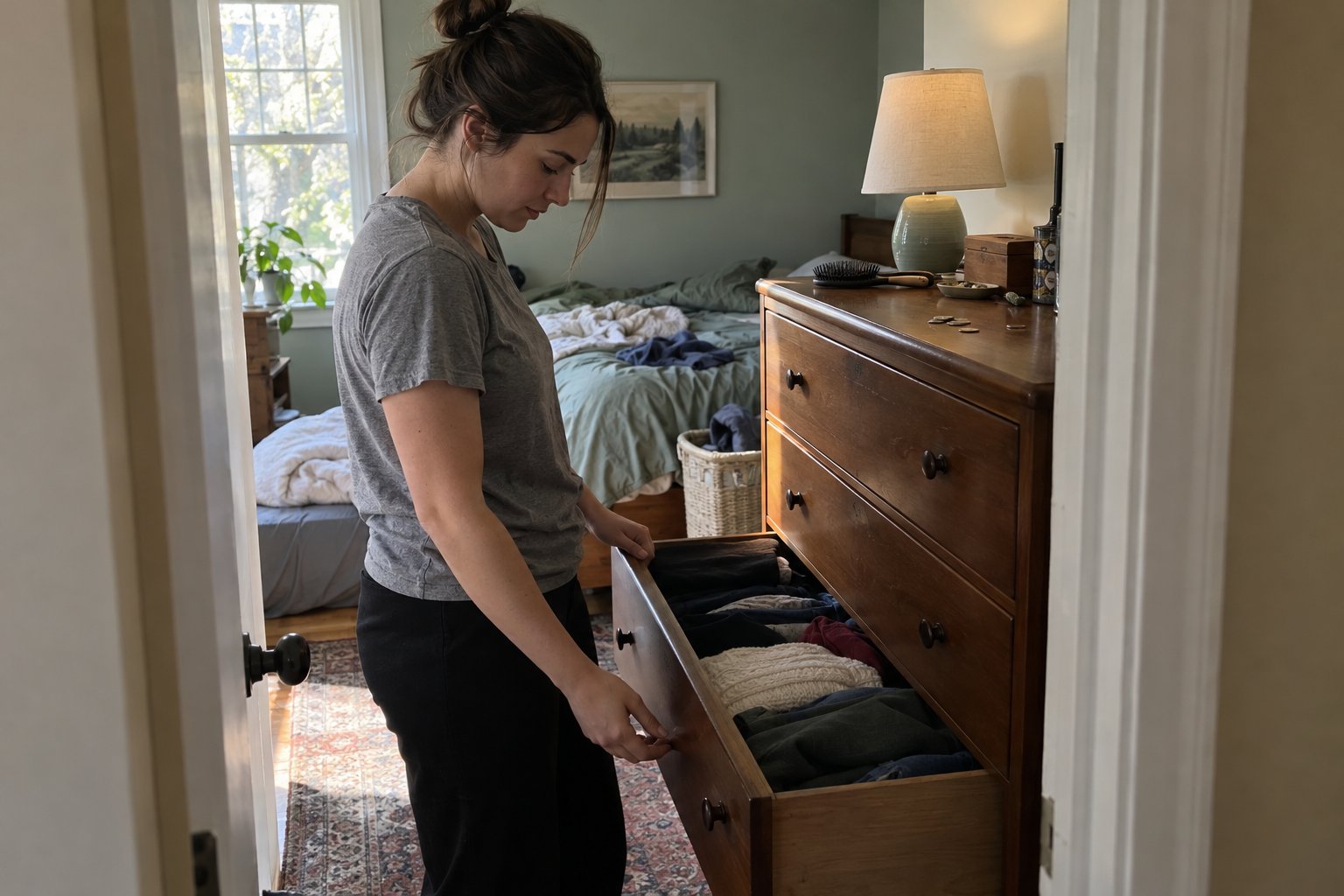
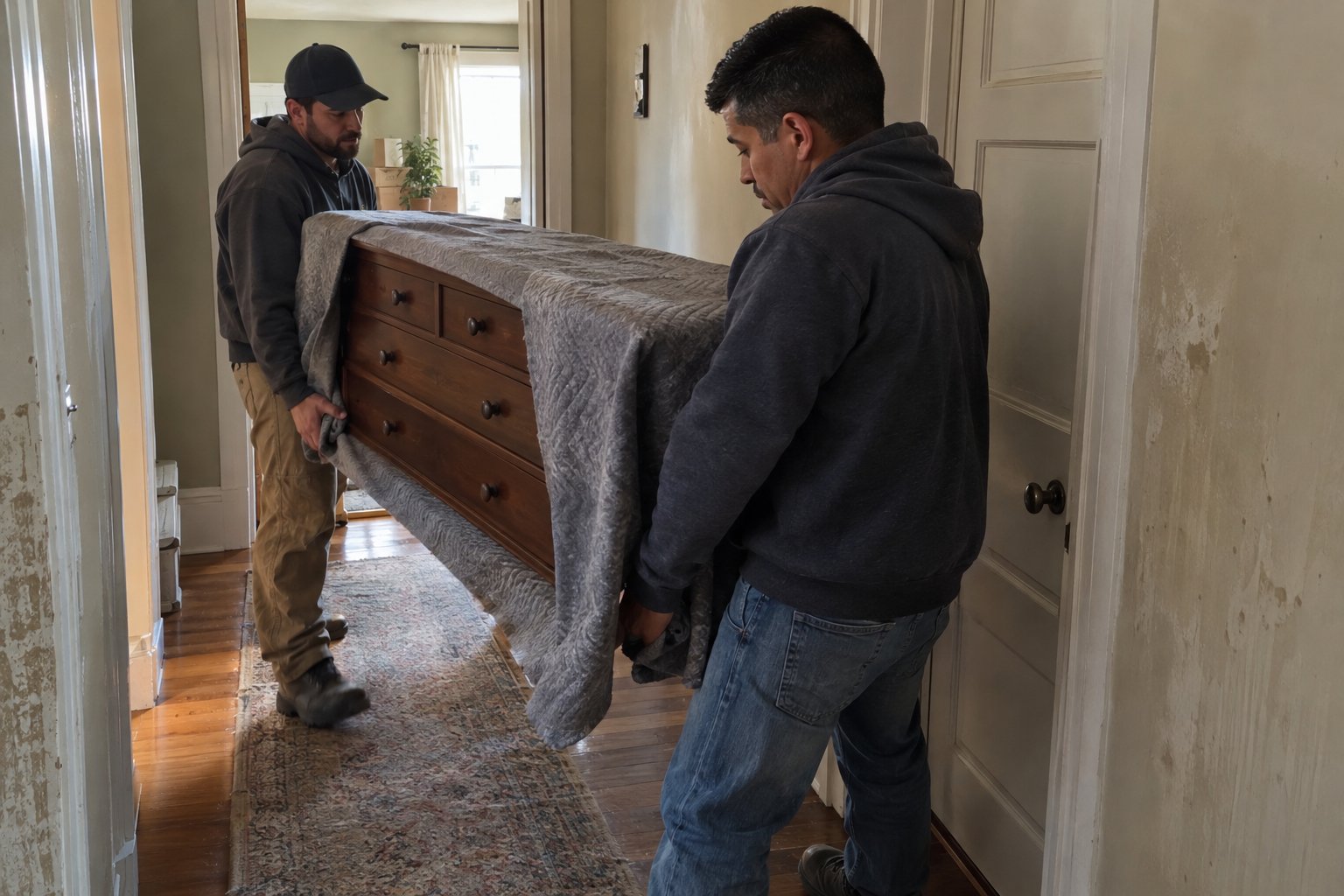
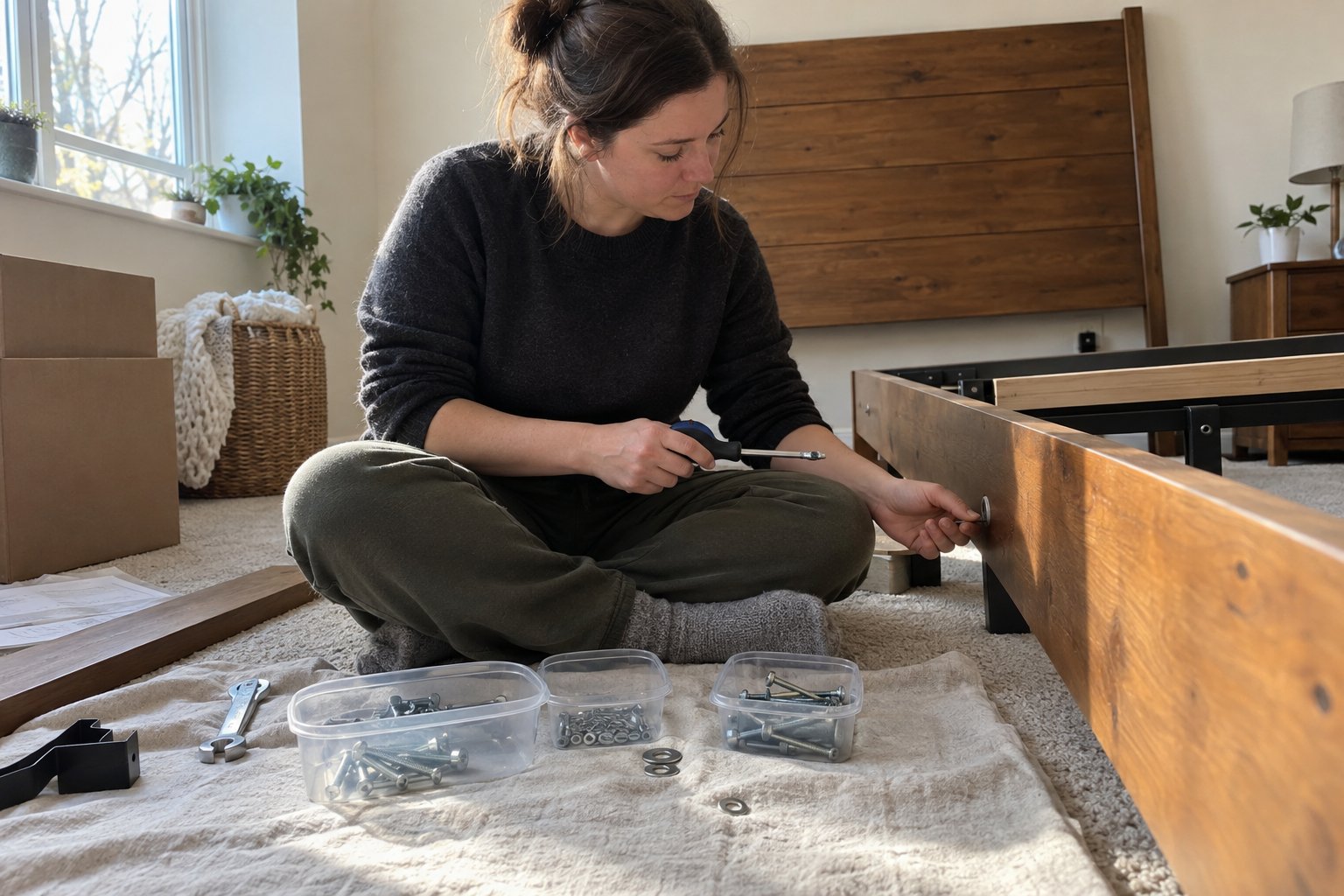

What Our Customers Say
Read genuine feedback from our satisfied customers to understand why we are the trusted choice for moving services.
Proudly Serving These Areas

Moving Oklahoma City Families and Military Members With Care
From local Oklahoma City moves to long-distance relocations, Journeymen Moving helps families and military members move with confidence. From the first box to the final unload, our team is here to make your move easier every step of the way.